
Frequently Asked Questions
Got questions? We’ve got answers! Whether you’re wondering about adhesives, tape, removers, or how to keep your hairpiece looking flawless, you’re in the right place. We’ve gathered the most common questions (and our best expert tips) to help you out. If you don’t find what you’re looking for, just reach out—we’re always happy to help!
1. Getting Started
Many wearers manage everything themselves after learning the basics of attachment and cleaning. It takes some practice, but it becomes routine over time. A salon can be helpful, but it’s not mandatory. Think of it like learning to shave properly — awkward at first, normal later.
Modern hair systems can look extremely natural when correctly matched in color, density, and hairline shape. Realism depends more on fitting and styling than on price alone. A well-blended system simply looks like your own hair. Poor matching is usually what gives it away.
What makes them realistic:
- Base type: Lace or ultra-thin skin blends with your scalp.
- Ventilation techniques: VLoop or Injected ventilation creates a natural hairline.
- Human hair: Moves and shines like real hair.
- Custom color and styling: Highlights, density, and hairline shape all contribute.
With proper fitting and care, most people won’t notice it’s a system.
👉 Related reads: Is a Hair System Worth It? | The Pros and Cons of Wearing a Hair System
No. You do not need a contract or subscription to wear a hair system. You should be free to explore your options, ask questions, and decide in your own time — without pressure or bundled purchase requirements. Hair replacement is personal, and the choice should always remain yours. Ask about the possibilities, take the time you need, and move forward when you feel ready.
It’s completely normal to feel unsure in the beginning. Wearing a hair system may seem complex at first, but once you understand the basics, it becomes manageable. Even without a salon, you can get started with the right information and realistic expectations.
Start by identifying your hair loss area and the look you want to achieve — natural and discreet or more styled and defined. Then choose a suitable base type (lace, PU/skin, or a combination), the correct size, hair type (human or synthetic), density, and color. These decisions determine comfort, realism, and durability.
Next, decide how you want to attach it: liquid adhesive, tape, or in some cases clips. Keep in mind that buying the system is only the first step — proper attachment and regular maintenance are just as important. Most systems are removed, cleaned, and reattached every 2–4 weeks, depending on lifestyle and adhesive choice.
Take your time to learn the routine and ask questions before committing. You should feel informed and confident before making decisions. Hair replacement works best when you move forward because you’re ready — not because you feel pressured.
👉 Related reads: Is a Hair System Worth It? | The Pros and Cons of Wearing a Hair System

Hair loss can affect confidence, appearance, and how you feel in daily situations. For many people, a hair system offers an immediate and visible improvement without surgery or long waiting periods. Seeing yourself with a full head of hair again can have a strong psychological impact.
A hair system provides instant results, styling flexibility, and the ability to choose your preferred density, texture, and look. Modern bases such as lace or ultra-thin skin can appear very natural when properly fitted and maintained. Many wearers find them lightweight and comfortable once they get used to the routine.
However, it’s important to be realistic. Hair systems require regular cleaning, reattachment, and eventual replacement. They are not maintenance-free, but with the right routine, the process becomes manageable. Whether it’s worth it ultimately depends on how much value you place on confidence, convenience, and control over your appearance.
Related reads:Do Hair Systems Look Realistic? | How Long Does a Hair System Last? | The Pros and Cons of Wearing a Hair System
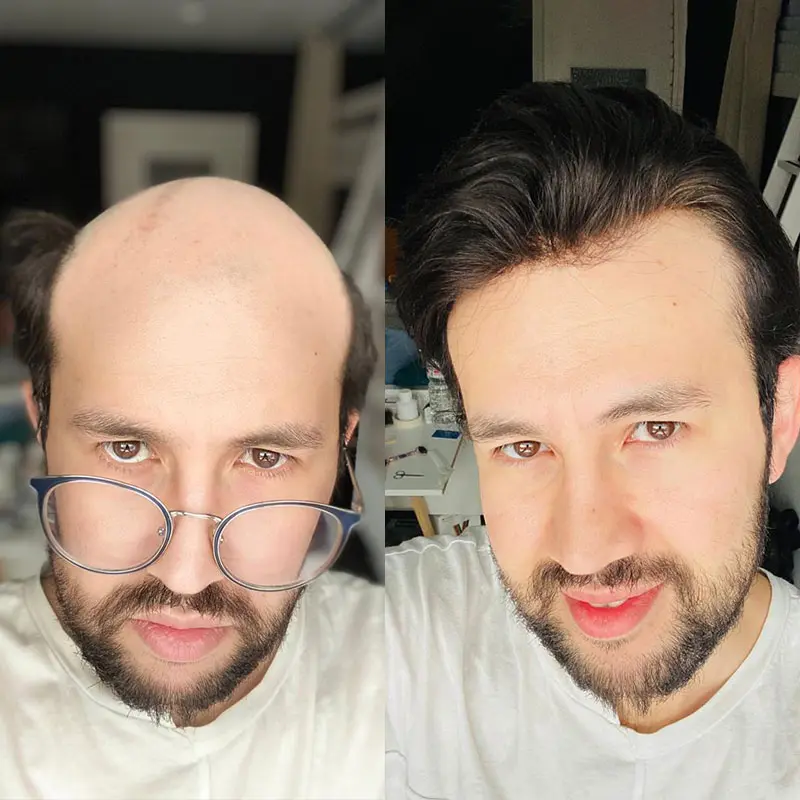
Wearing a wig or hair system does not automatically damage your natural hair. Most problems arise from improper attachment, aggressive removal, or poor scalp hygiene. When applied and removed correctly, a system can be worn safely without harming existing hair.
Healthy wear starts with using skin-safe adhesives, tapes, and removers designed specifically for hair systems. Regularly cleaning the scalp prevents buildup of oils, sweat, and adhesive residue. Allowing the scalp to rest during cleaning or maintenance days can also support skin health.
Heat-trapping or low-quality materials may cause discomfort or irritation, so choosing breathable base types makes a difference. With proper technique and consistent care, both your natural hair and scalp can remain healthy while wearing a system.
👉 Related reads: How Long Does a Hair System Last? | The Pros and Cons of Wearing a Hair System
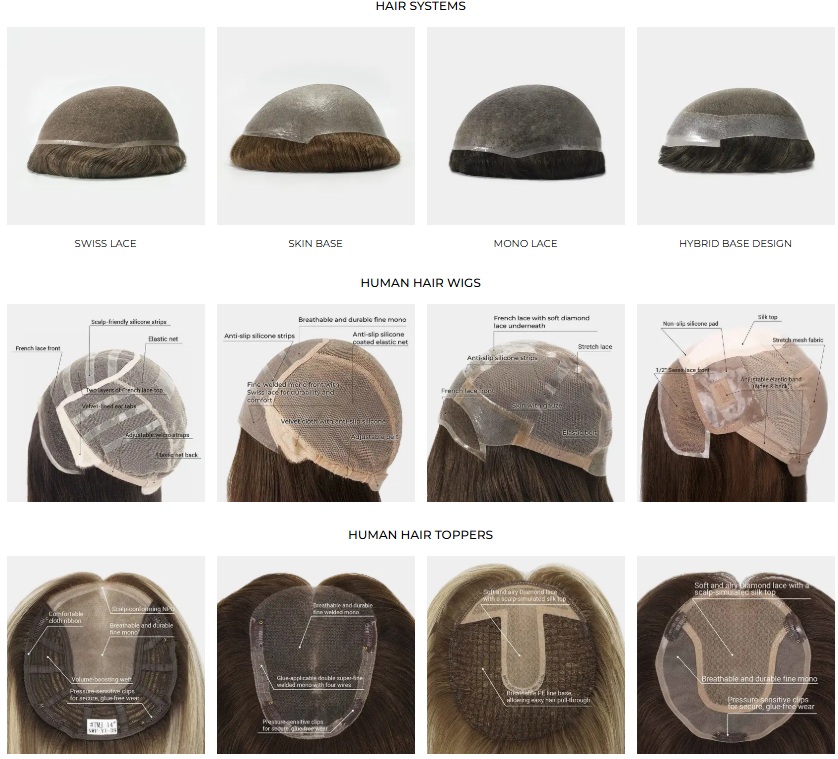
Hair systems can be transformative, but it’s important to understand both the advantages and the responsibilities that come with them.
Pros:
They offer immediate cosmetic improvement without surgery or recovery time. Modern systems provide natural-looking results and allow flexibility in density, texture, and styling. They are non-surgical, adjustable, and completely reversible, giving you control over your appearance.
Cons:
Hair systems require regular maintenance, including cleaning and reattachment. They have a limited lifespan depending on the base type and daily wear, and replacement is part of long-term use. There is also a learning curve when working with adhesives or tape, especially in the beginning.
When expectations are realistic and the routine fits your lifestyle, many people find that the benefits outweigh the effort.
👉 Related reads: Is a Hair System Worth It? | How Long Does a Hair System Last?
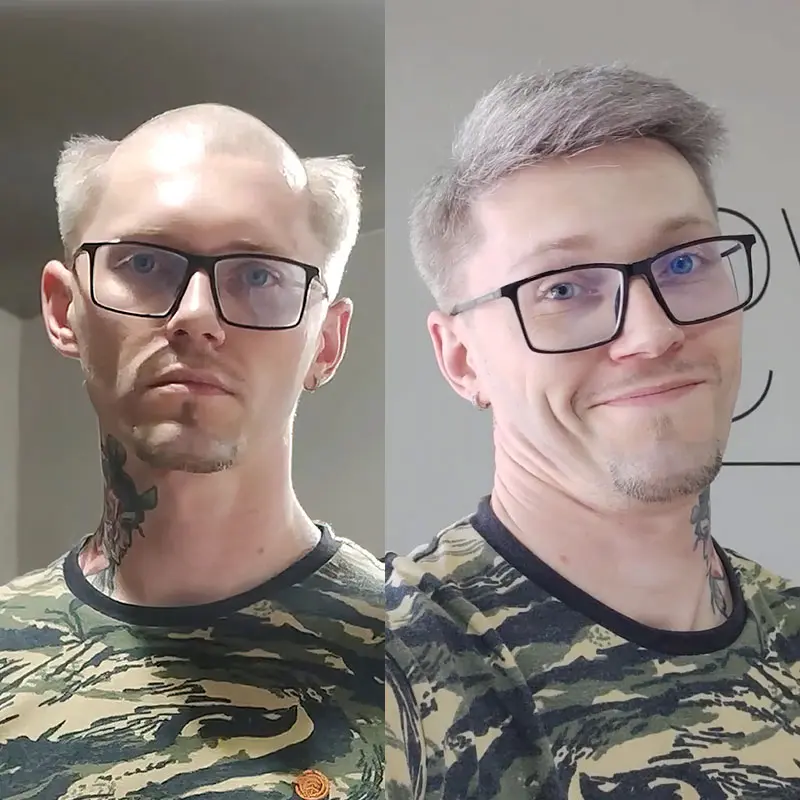
When correctly matched and installed, most people will not notice anything unusual. Proper density, natural hairline, and color blending are crucial. Confidence also influences perception. If it looks natural to you, it likely looks natural to others.
2. Choosing the Right Hair System
Using a mannequin head helps maintain the natural shape and structure of your hair system when it is not being worn. A soft, system-friendly brush reduces unnecessary tension and shedding, especially around delicate areas like the hairline and crown.
Proper scalp preparation is just as important as the system itself. Using the right adhesive, remover, shampoo, and conditioner designed specifically for hair systems protects both the base and the hair. Regular, careful cleaning prevents adhesive buildup, reduces stress on the knots, and keeps the hair soft and manageable.
In short, maintaining a hair system is not only about wearing it — it’s about using the correct products consistently. Just like with natural hair, small daily habits and proper care make a significant difference over time.
A hair system can last anywhere from 2–4 weeks to several months, depending on the base type, how it’s maintained, and how often it’s worn. Ultra-thin or delicate bases typically have a shorter lifespan, while stronger materials are designed to last longer.
Lifestyle also plays a role. Frequent exercise, daily showering, heavy sweating, and wearing the system overnight will naturally reduce durability. Using system-safe shampoos, conditioners, and proper cleaning methods helps protect both the hair and the base.
Common signs that it’s time for replacement include thinning hair, color fading, reduced hold, or visible wear at the edges. With consistent, careful maintenance, you can significantly extend the usable life of your system.
👉 Related reads: Is a Hair System Worth It? | Why Are Hair Systems So Expensive?
Many wearers use between two and four systems annually. This depends on base type, durability, maintenance, and lifestyle. Rotating between two systems can extend overall lifespan. Heavy daily wear may increase replacement frequency.
You need quality adhesive or tape, remover, a soft brush, and cleaning products. A stand for storage is highly recommended. Scalp protection products may improve comfort. The right tools simplify everything.
Choose based on skin sensitivity, activity level, and desired hold time. Stronger products suit active lifestyles but may require careful removal. Sensitive skin benefits from hypoallergenic options. Testing different strengths helps find your ideal balance.
Tapes vary in strength, thickness, and flexibility. Some are for short-term wear, others for extended hold. Ultra-thin tapes provide a more natural hairline appearance. The best choice depends on your routine.
High-quality hair systems cost more because of the materials, craftsmanship, and customization.
- Handmade: Each hair strand is carefully attached by hand.
- Human hair: Looks, feels, and styles naturally.
- Premium base materials: Lace, PU, and hybrid bases are light, breathable, and durable.
- Customization: Density, color, length, and style tailored to you.
- Ethical sourcing: Ensures quality and fair labor.
Think of it as an investment in confidence, comfort, and a natural look — one that’s designed to last and give you peace of mind.
👉 Read More: Why are Hair Systems so Expensive?
3. Wearing & Maintenance
Yes, minor trimming is possible if you use proper hairdressing scissors. Major reshaping requires skill because once hair is removed, it cannot be put back. Work gradually and check balance as you go. When in doubt, less is more.
Keep in Mind: cutting synthetic hair is different from cutting Human hair, just like cutting curly hair is different from cutting straight/wavy hair.
Read More: How Do I Cut My Hair System?
No — It’s tempting, but most “DIY miracle tricks” cause more damage than they fix. Hair systems are precision products, not science experiments. You are not washing your car with kitchen soap or a scrub sponge, right? Use products designed for the job.
Wash the system gently without rubbing or twisting the hair. Pat it dry carefully with a towel — never wring or squeeze — and place it on a stand to air dry overnight so it keeps its natural shape.
Once slightly damp, style the hair in the direction you normally wear it to guide volume and movement. Avoid aggressive brushing while wet, as this can loosen hair from the base. Lightweight styling products help maintain a natural look without stiffness, and small, regular trims keep the cut sharp and realistic over time.
Apply remover and allow it time to dissolve the adhesive fully. Gently lift the system without pulling or tearing. Clean remaining residue carefully from both scalp and base. Thorough cleaning improves comfort and longevity.
Scalp protectors create a thin barrier between your skin and adhesive. They can reduce irritation and improve hold, especially for oily or sweaty scalps. They also help prevent adhesive breakdown caused by natural skin oils. Think of it as primer before paint.
Keeping your hairpiece color vibrant requires consistent and gentle care. Sunlight, frequent washing, heat styling, and daily wear can all gradually fade both human hair and synthetic fibers.
Use sulfate-free, system-safe shampoos and wash with lukewarm rather than hot water to minimize color loss. Limit excessive heat styling and protect the hair from prolonged UV exposure, especially in summer or during holidays. Deep conditioning treatments help maintain softness and reflect light better, which keeps the color looking richer.
If fading starts to occur, color-refreshing products designed specifically for hair systems can help restore tone without damaging the base. Preventive care is always easier than correction — small habits make a visible difference over time.
Read more : How to Keep Your Hairpiece Color Beautiful and Vibrant
Basic tools include adhesive or tape, remover, gentle brush, and cleaning solution. A mannequin head helps maintain shape. Proper tools make maintenance easier and safer. Improvising often leads to avoidable damage.
Always use products specifically designed for hair systems or extensions. Key tips include:
- Regular Maintenance: Schedule professional maintenance when needed, especially for long-term wear or bonded systems.
- Tape & Adhesives: Apply on clean, dry skin and follow the product instructions. Remove old adhesive gently to avoid skin irritation.
- Solvents & Removers: Use only recommended removers for your adhesive type — avoid harsh chemicals.
- Shampoo & Conditioner: Choose sulfate-free, gentle products. Wash the hair piece carefully, never rub or twist.
- Styling Products: Use light, non-alcohol-based styling sprays or gels designed for system hair. Avoid overloading the hair with product.
- Scalp Care: Keep your scalp clean and moisturized. Exfoliate lightly if recommended, and protect sensitive areas from irritation.
Read More in The ultimate Do’s and Don’ts for Hair Systems and Extensions
Avoid harsh chemicals, excessive heat, and aggressive brushing. Never rip the system off without remover. Skipping cleaning leads to buildup and odor. Treat it like real hair — but with more care
Avoid DIY or household hacks — they can cause serious damage. Key “don’ts” include:
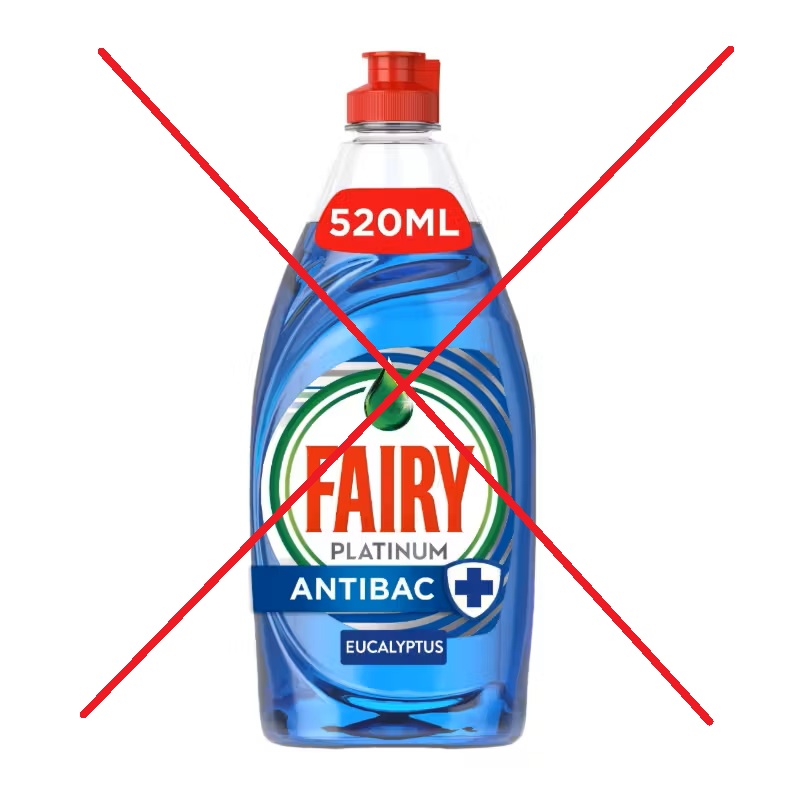
- Dish Soap: Do not use Dawn, Fairy, or Dreft to clean your hair system — it strips oils and weakens knots.
- Isopropyl Alcohol: Too strong for regular use — safe only as a quick pre-cleanser.
- Vinegar, Lemon, or Baking Soda: Can alter pH, fade color, and weaken knots.
- Bleach: Extremely harsh; never use it on hair systems or extensions.
- Household Glue or Spray Adhesive: Not meant for skin or hair — avoid completely.
- Other Harsh Solvents: Acetone or bleach-based cleaners can damage the base and irritate your scalp.
Read more about the Do’s and Don’ts for Hair Systems and Extensions
4. Adhesives, Tapes and Removers
Adhesives and tapes for hair systems are developed for cosmetic skin use and are generally safe when used correctly. Some people with sensitive skin may experience mild irritation, especially with stronger formulas. A small patch test before full application is always wise. Stronger hold usually means stronger ingredients — balance is key
Most removers are formulated to dissolve adhesive without harming the base when used properly. Delicate bases like ultra-thin skin or fine lace require a gentle approach. Let the remover break down the bond instead of pulling the system loose. Patience protects your investment.
Most quality adhesives and tape are water-resistant once fully cured. Allow proper drying time after application before exposing it to water or working out. Frequent swimming or heavy sweating may shorten hold time. If you live in the gym or the ocean, choose your adhesive accordingly.
Household chemicals like acetone or strong alcohol can dry out hair and weaken the base. Professional removers are designed to dissolve adhesive safely. Improvising may save a few euros but cost you a system. Proper tools protect both scalp and material. Even regular shampoo for the grocery store can damage the system.
Apply thin, even layers to clean, dry skin using a brush. Allow the adhesive to become tacky before pressing the system into place. Several thin layers hold better than one thick layer. Rushing this step usually shortens hold time. Watch the full instruction steps and video here.
Use a suitable remover and allow it to penetrate the residue. Wipe gently with a soft cloth instead of scraping. Avoid sharp objects that can damage lace or thin skin. Slow and steady wins here.
Hold time ranges from a few days to several weeks. Skin type, humidity, sweat, and activity level all influence performance. Stronger adhesives last longer but may require more careful removal. Personal chemistry plays a bigger role than most people expect.
Liquid adhesive is brushed onto the scalp and creates a seamless bond, ideal for exposed hairlines. Tape is pre-formed and generally easier to apply and remove. Adhesive may look more invisible at the front. Tape often offers quicker maintenance.
Stop using the product immediately and gently remove the system. Clean the area and allow the skin to recover. If irritation continues, consult a medical professional. Patch testing alternative products is recommended before reapplication.
Use professional removers, soft cloths, and gentle sponges. Avoid sharp tools that can tear lace or thin skin bases. Gentle pressure is more effective than force. Think precision, not power.
Click here to see all tapes listed
Can’t find the answer you’re looking for?
We’re happy to help. Send us your question and we’ll get back to you as soon as possible.
Ask us a question →